Ledger Login – Securely Access Your Cryptocurrency
In the world of cryptocurrency, security is crucial. Ledger hardware wallets provide one of the safest ways to store and manage crypto, and logging in via Ledger Live or other official Ledger tools ensures your funds stay protected. Ledger login is different from typical username-and-password systems—it’s device-based, ensuring your private keys never leave your hardware wallet.
What is Ledger Login?
Ledger login refers to the process of accessing your Ledger wallet through Ledger Live (desktop or mobile application) or other Ledger-supported tools. The key aspects of Ledger login include:
Device Verification: Your Ledger hardware wallet verifies your identity.
PIN Protection: Access requires entering a PIN on the device itself.
Offline Private Keys: Your private keys are never exposed to the internet.
Unlike online wallets, Ledger login is secure against phishing attacks or malware because the verification happens on your physical device.
Preparing for Ledger Login
Before logging in, make sure you have:
Ledger Hardware Wallet – Such as Nano S, Nano S Plus, or Nano X.
Computer or Mobile Device – Ledger Live works on Windows, macOS, Linux, iOS, and Android.
USB Cable or Bluetooth – Required depending on the model.
Recovery Phrase – 24-word seed phrase stored offline in a secure place.
⚠️ Always download Ledger Live or Ledger apps from the official website: https://www.ledger.com. Avoid email links or third-party downloads.
Step-by-Step Ledger Login
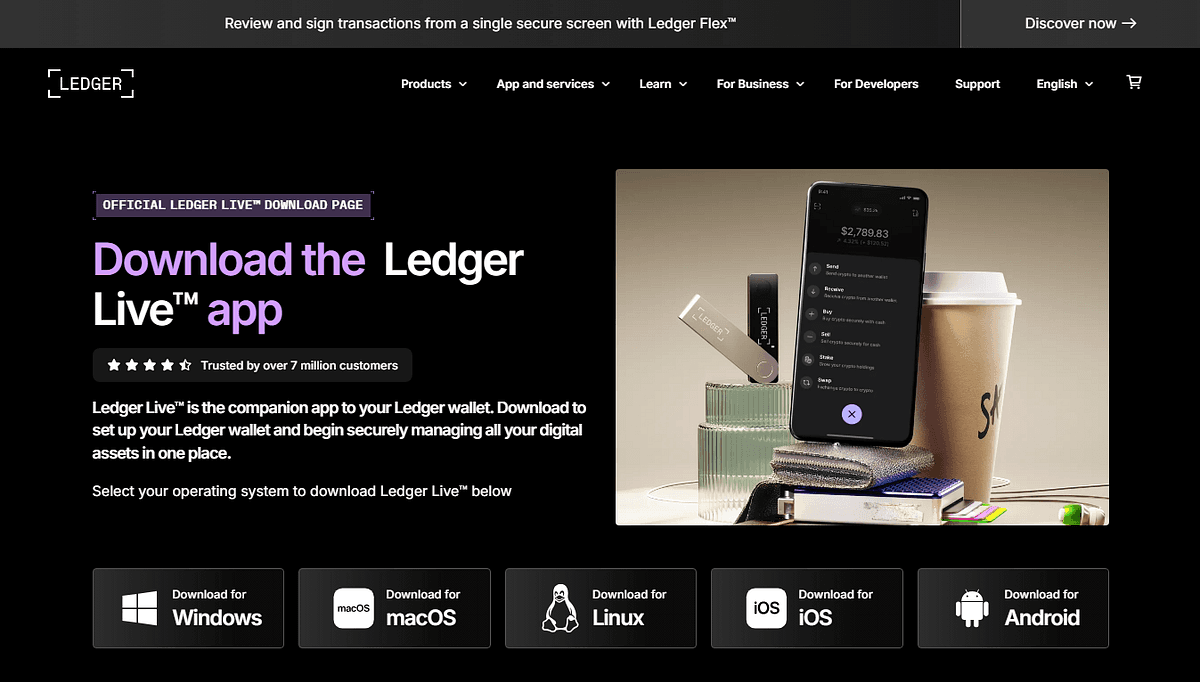
Step 1: Download Ledger Live
Select your operating system.
Download and install Ledger Live.
Step 2: Connect Your Ledger Device
Plug in your Ledger wallet via USB (Nano X can use Bluetooth).
Enter your PIN to unlock the device.
Your device is now ready for secure communication with Ledger Live.
Step 3: Access Ledger Live
Open Ledger Live.
Click “Get Started”.
Choose either:
Set up as a new device (for new wallets)
Restore from recovery phrase (to access an existing wallet)
Follow on-screen instructions to link your Ledger device to Ledger Live.
Step 4: Add and Manage Accounts
Go to the Accounts section.
Select cryptocurrencies to manage (Bitcoin, Ethereum, Litecoin, Cardano, Solana, and more).
Ledger Live will sync with the blockchain to show balances and transactions.
Private keys always remain on your Ledger device, never on your computer.
Step 5: Sending and Receiving Crypto
Send Crypto: Enter the recipient’s address in Ledger Live and verify it physically on your device before approval.
Receive Crypto: Copy the receiving address from Ledger Live and confirm it on your device.
This ensures that all transactions are secure and cannot be tampered with.
Ledger Login Security Tips
Only download Ledger software from official sources.
Never share your recovery phrase online.
Keep your Ledger firmware updated via Ledger Live.
Use strong PIN codes and optional passphrases for extra protection.
Store recovery phrases in secure offline locations.
Avoid public Wi-Fi for sensitive Ledger operations.
Troubleshooting Ledger Login
Device Not Recognized: Check USB/Bluetooth connection and ensure apps are installed on the device.
Account Sync Issues: Restart Ledger Live or re-add accounts.
PIN or Recovery Phrase Problems: Enter the correct PIN or restore wallet on another Ledger device using your recovery phrase.
Why Ledger Login is Secure
Ledger login uses hardware verification and offline private key storage. Even if your computer is compromised, your funds remain safe. Optional passphrases and device-based confirmations add extra layers of security, making Ledger one of the safest crypto management solutions.
Conclusion
Ledger login provides a secure, reliable way to access and manage cryptocurrency. By using your Ledger hardware device, PIN, and Ledger Live, you can safely view balances, send and receive funds, and manage multiple accounts—all while keeping private keys offline.
Benefits:
Maximum security for digital assets
Private keys never leave the device
Verified transactions
Peace of mind for crypto management