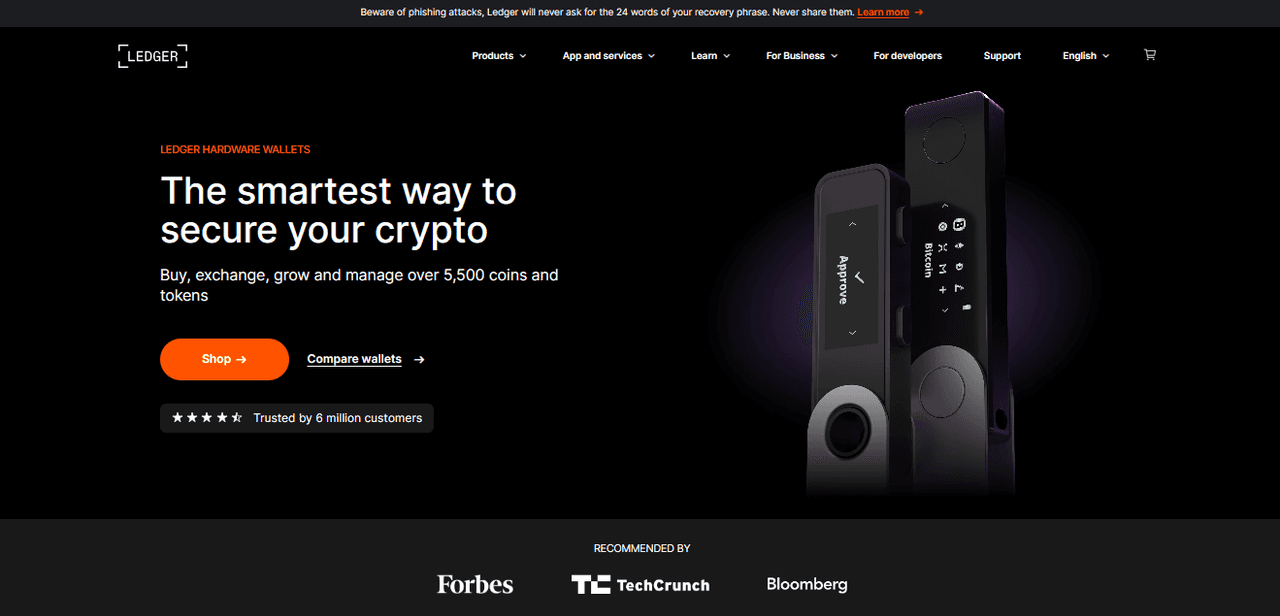
Ledger Login – Safely Access Your Cryptocurrency
In the fast-growing world of cryptocurrency, securing your digital assets is more important than ever. Online wallets and exchanges are convenient, but they can be vulnerable to hacking and phishing attacks. Ledger, a leading hardware wallet provider, offers a highly secure solution to manage your crypto through its Ledger Live application. Ledger login ensures that you can safely access your funds, track balances, and perform transactions—all while keeping your private keys offline.
This guide provides a complete overview of Ledger login, including setup, account management, security practices, and troubleshooting tips to ensure a safe and seamless experience.
What is Ledger Login?
Ledger login is the process of accessing your cryptocurrency wallet using a Ledger hardware device in combination with Ledger Live. Unlike traditional accounts that rely on usernames and passwords, Ledger login is device-based, which means your identity and access are verified directly through your hardware wallet.
Key aspects of Ledger login:
Hardware Verification: Access requires your physical Ledger device.
PIN Authentication: Enter a secure PIN on the device to unlock it.
Offline Private Keys: Your private keys never leave your hardware wallet, keeping them safe from online attacks.
This login method ensures your assets are secure even if your computer or mobile device is compromised.
Why Ledger Login is Secure
Ledger login uses multiple layers of security to protect your cryptocurrency:
Private Keys Stay Offline: Sensitive information never connects to the internet.
Physical Confirmation: Every transaction must be verified directly on the Ledger device.
Protection from Malware: Hackers cannot access your funds through a compromised computer.
Optional Passphrases: For enhanced security, a passphrase can be added on top of your PIN.
This combination of device verification, PIN entry, and offline storage makes Ledger login one of the safest ways to manage crypto.
What You Need Before Logging In
Before accessing Ledger Live, make sure you have:
Ledger Hardware Wallet – Such as Nano S, Nano S Plus, or Nano X.
Computer or Mobile Device – Ledger Live supports Windows, macOS, Linux, iOS, and Android.
USB Cable or Bluetooth – Required depending on your Ledger model.
Recovery Phrase – 24-word seed phrase stored offline in a secure location.
⚠️ Always download Ledger Live from the official website: https://www.ledger.com. Avoid third-party downloads or links from emails to prevent phishing attacks.
Step-by-Step Ledger Login
Step 1: Download and Install Ledger Live
Visit Ledger Live’s official page.
Select your operating system.
Download and install the application.
Always verify you are on the official Ledger site to avoid scams.
Step 2: Connect Your Ledger Device
Plug in your Ledger hardware wallet using USB, or connect via Bluetooth for Nano X.
Enter your PIN on the device to unlock it.
Your Ledger device is now ready to communicate securely with Ledger Live.
Step 3: Launch Ledger Live
Open Ledger Live and click “Get Started.”
Choose one of the following:
Set up as a new device – For brand-new wallets.
Restore from recovery phrase – To recover an existing wallet.
Follow on-screen instructions to pair your Ledger device with Ledger Live.
Step 4: Add Accounts
Go to the Accounts section in Ledger Live.
Select the cryptocurrencies you want to manage, including Bitcoin, Ethereum, Litecoin, Cardano, Solana, and more.
Ledger Live synchronizes with the blockchain to display balances, transaction history, and account details.
Your private keys always remain on the Ledger device, never online, ensuring maximum security.
Step 5: Sending and Receiving Crypto
Ledger Live ensures that all transactions are secure and verified:
Sending Crypto: Enter the recipient’s wallet address in Ledger Live and confirm the transaction on your Ledger device.
Receiving Crypto: Copy your receiving address from Ledger Live and verify it on the Ledger device before sharing.
This two-step verification prevents hackers from intercepting or redirecting transactions.
Ledger Login Security Best Practices
Only download Ledger software from official sources.
Never share your recovery phrase online. Ledger will never ask for it.
Keep your Ledger firmware updated through Ledger Live.
Use strong PIN codes and enable optional passphrase protection.
Store recovery phrases offline in secure, fireproof, and waterproof locations.
Avoid public Wi-Fi when accessing Ledger Live.
Following these best practices ensures your cryptocurrency remains protected from theft or loss.
Common Issues and How to Fix Them
Device Not Recognized:
Check USB/Bluetooth connections.
Restart Ledger Live and your computer or mobile device.
Ensure the required cryptocurrency apps are installed on your Ledger device.
Account Sync Problems:
Close and reopen Ledger Live.
Check your internet connection.
Re-add accounts if necessary.
PIN or Recovery Phrase Issues:
Enter the correct PIN.
Restore your wallet on another Ledger device using your recovery phrase if needed.
Ledger Live Updates:
Keep Ledger Live up to date for full compatibility with new cryptocurrencies and blockchain networks.
Why Ledger Login Matters
Ledger login is more than just a way to access your wallet—it is a critical security feature. By requiring hardware verification, PIN authentication, and optional passphrases, Ledger ensures that your crypto assets are safe from online threats. Even if your computer is compromised, funds cannot be accessed without your physical device.
Conclusion
Ledger login provides a safe, reliable, and convenient way to manage cryptocurrency. By pairing your Ledger hardware wallet with Ledger Live, you can securely monitor balances, send and receive funds, and manage multiple wallets while keeping your private keys offline.
Benefits of Ledger Login:
Maximum security for digital assets
Private keys never leave the device
Verified, secure transactions
Reliable long-term crypto management
Ledger login is ideal for beginners and experienced investors alike, offering peace of mind, convenience, and unmatched security for managing cryptocurrency.